Ten days without speaking, reading, writing or a phone, in a hall full of strangers, getting up at four in the morning. Put like that, a Vipassana course sounds like a dare. Hundreds of thousands of people have taken one anyway, and the courses are paid for by those who came out grateful.
What follows is a plain account of what the course involves, taken from the organisers' own rulebook and timetable, and of what researchers have found about its benefits and its risks. Both are real.
What a 10-day Vipassana course is
A 10-day Vipassana course is a silent residential course, free of charge and the same everywhere. It comes from the tradition of S.N. Goenka, who began teaching in India in 1969 and died in 2013. The teaching is still given through his recorded instructions and evening talks, with a teacher in the room to answer questions. The course is open to people of any religion or none.
There is no charge for the teaching, the bed or the meals. Donations are accepted only from people who have completed a course, and the teachers are not paid. The word Vipassana is older and wider than this one organisation, and other insight meditation centres run silent retreats on different lines. This article is about the Goenka course, which is the same from one country to the next.
What a day looks like
The day runs from a bell at four in the morning to lights out at half past nine. In between come about ten hours of meditation. The official timetable, printed at the end of the code of discipline, does not vary.
4.30 to 6.30 a.m. Meditation, in the hall or in your room.
6.30 a.m. Breakfast and a rest.
8 to 11 a.m. A group sitting in the hall, then two more hours of practice.
11 a.m. Lunch, the last full meal of the day, then rest and a chance to see the teacher.
1 to 5 p.m. Four hours of meditation, with a group sitting in the middle.
5 p.m. Tea. New students get fruit with it.
6 to 9 p.m. A group sitting, a recorded talk of an hour and a quarter, and a last short sitting.
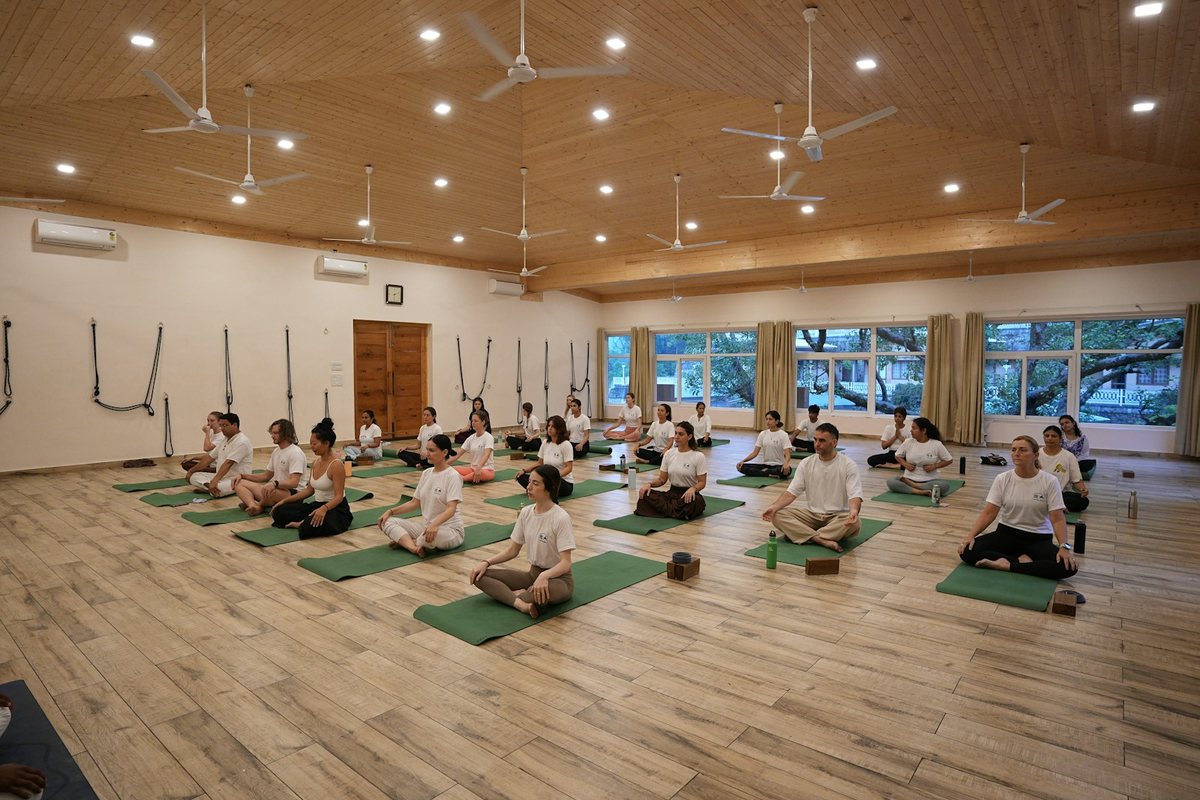
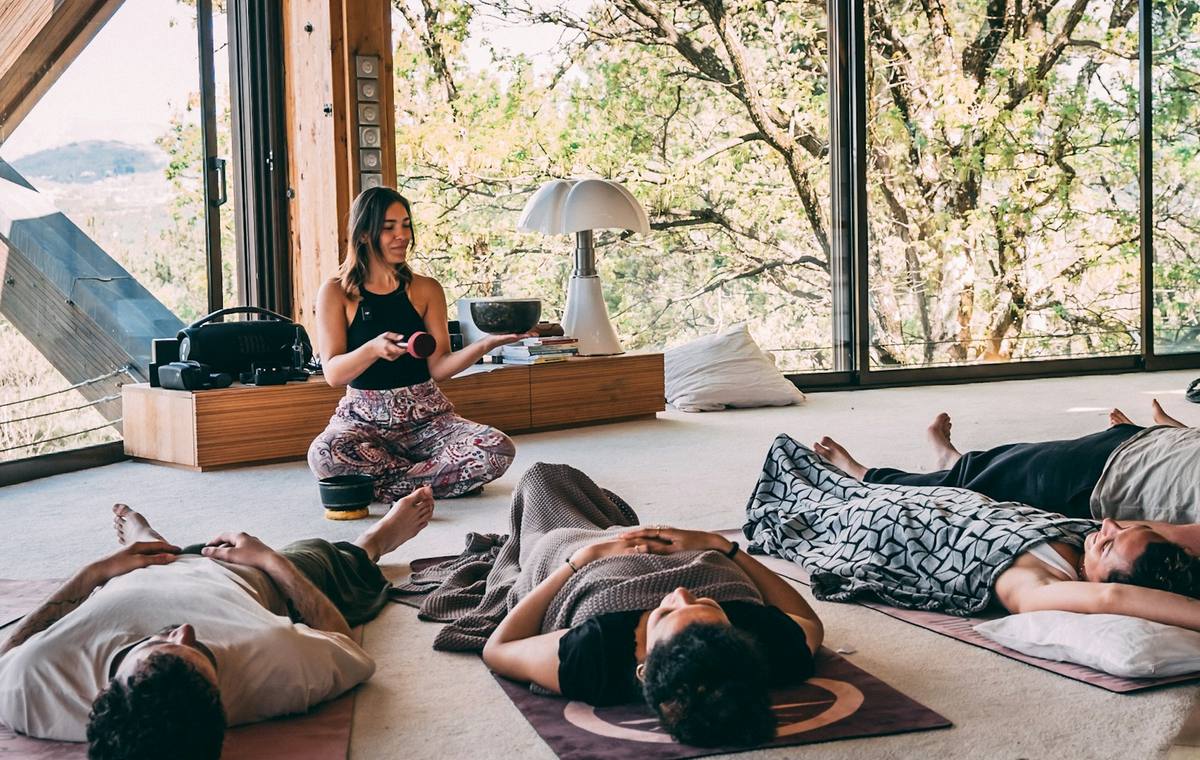
For ten days, most of the waking hours are spent in a hall like this one. Photo: Abhayaranya Yoga Ashram / Unsplash
The food is simple and vegetarian. Fasting is not allowed, and students are asked not to bring their own supplies. Chairs are provided for people who cannot sit on the floor.
What you give up for ten days
For ten days you give up speech, your phone, books, a notebook, exercise and the option of leaving. The code of discipline that every student agrees to is specific.
Silence. No talking to other students until the morning of the last full day, and no gestures or notes either. You may speak to the teacher, and to the staff about practical problems.
No outside world. Phones and other devices are handed in until the course ends. No calls, letters or visitors.
No distractions. No reading, no writing, no music.
No exercise beyond walking. Yoga and jogging are suspended. Walking in the grounds is allowed during breaks.
Men and women apart. The two groups are kept separate throughout, couples included.
No early exit. Students commit to staying to the end, and may leave the site only with the teacher's consent.
The organisers are candid about the spirit of all this. Their own text says that the course is not a rest cure or a holiday, and that the emphasis is on work.
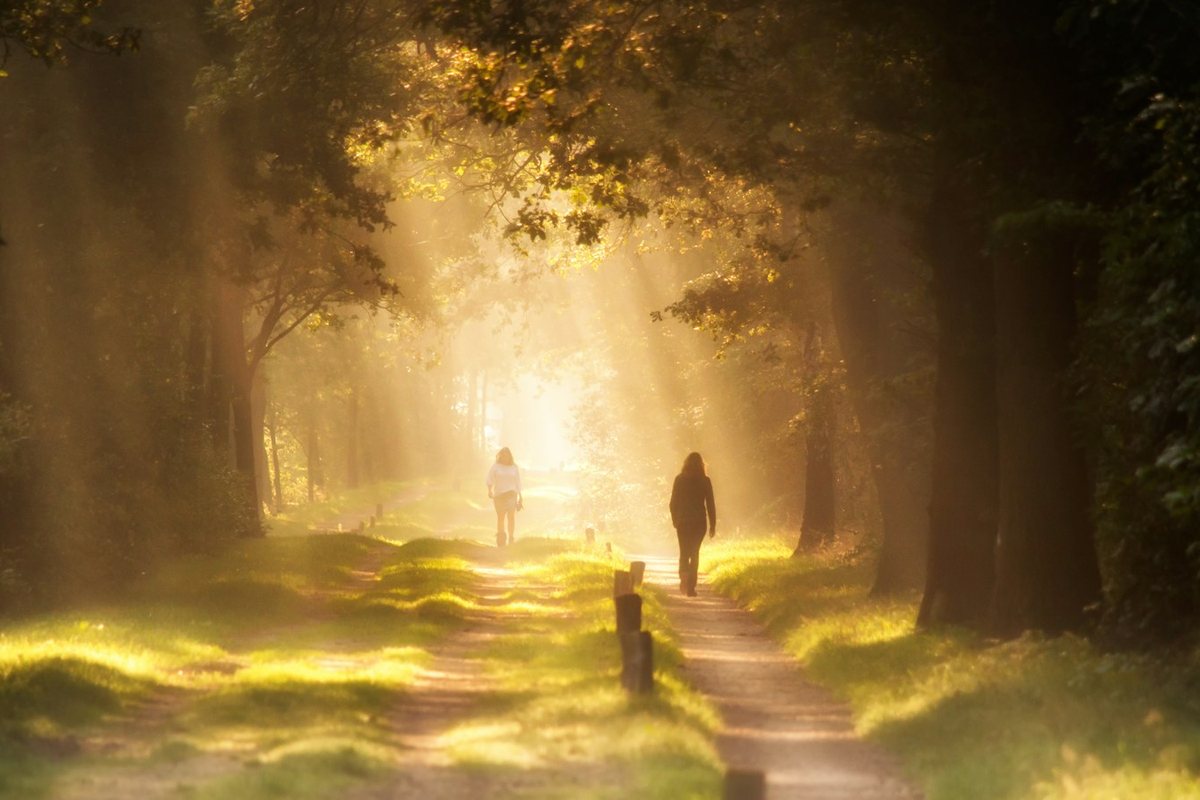
Walking in the grounds is the only exercise on the timetable. Photo: Erik van Dijk / Unsplash
Days one to three: the breath. You keep your attention on the breath as it enters and leaves the nostrils, and bring it back each time it wanders. That is the whole task, for some thirty hours.
Day four onwards: Vipassana itself. You move your attention through the body, noticing whatever sensations are there, pleasant or painful, and practise not reacting to them.
The last full day: goodwill. A meditation of loving kindness is taught, the silence ends, and people talk to each other for the first time.
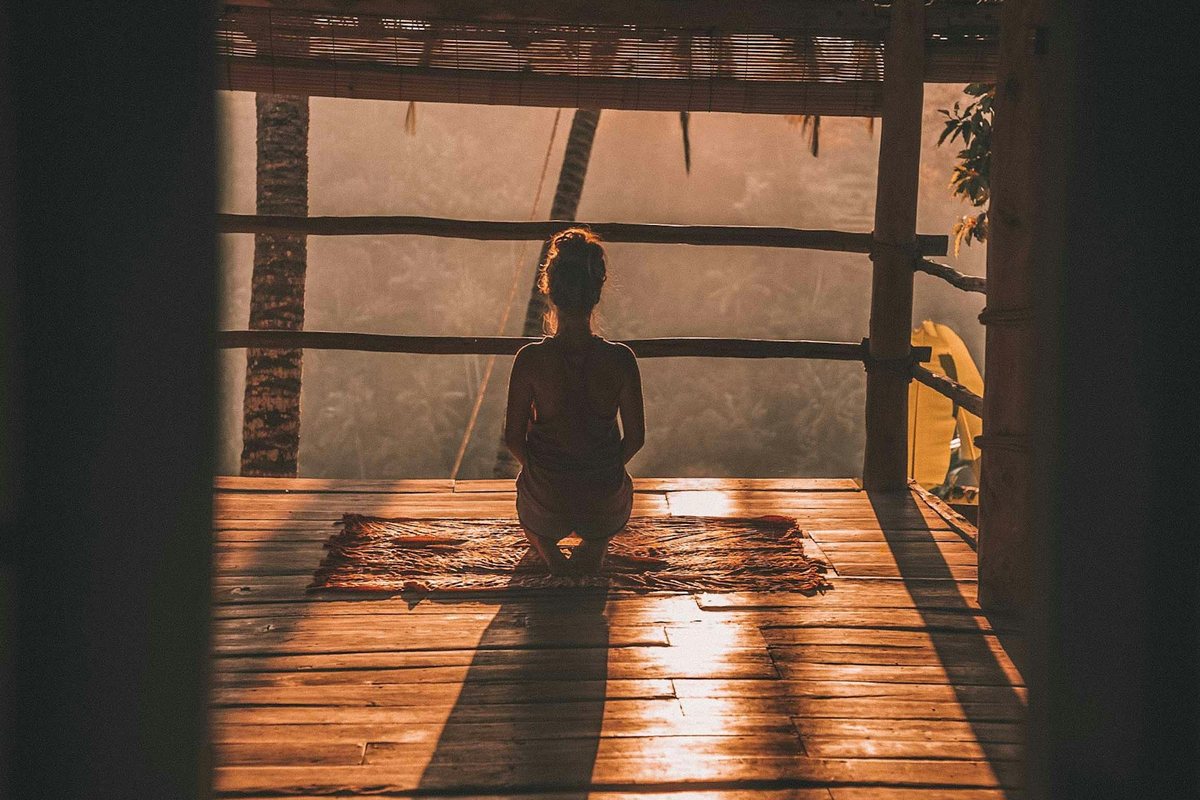
The first three days have a single object: the breath. Photo: Jared Rice / Unsplash
Nobody is allowed to leave on that tenth day, which the organisers treat as the bridge back to ordinary life. They are equally firm that ten days is the minimum. Earlier teachers in the tradition tried shorter courses, they say, and found them too brief for the mind to settle.
What the research shows
The few studies of these courses find that most people come out less stressed, and that part of the gain lasts. In the most careful one, researchers measured 122 people before and after a standard course and compared them with 50 who had enrolled and not yet started. Stress fell, and well-being, self-kindness and mindfulness rose. Six months later some of the gain had faded, most of all for stress, and the scores were still better than before the course.
The difficult experiences, and how common they are
Intensive meditation can also bring on anxiety, low mood and stranger experiences, and researchers have started to count how often. In a survey of 1,232 people who meditate regularly, a quarter reported at least one particularly unpleasant experience that they put down to their practice. It was more common among those who practised only insight techniques such as Vipassana, and among those who had been on a retreat.
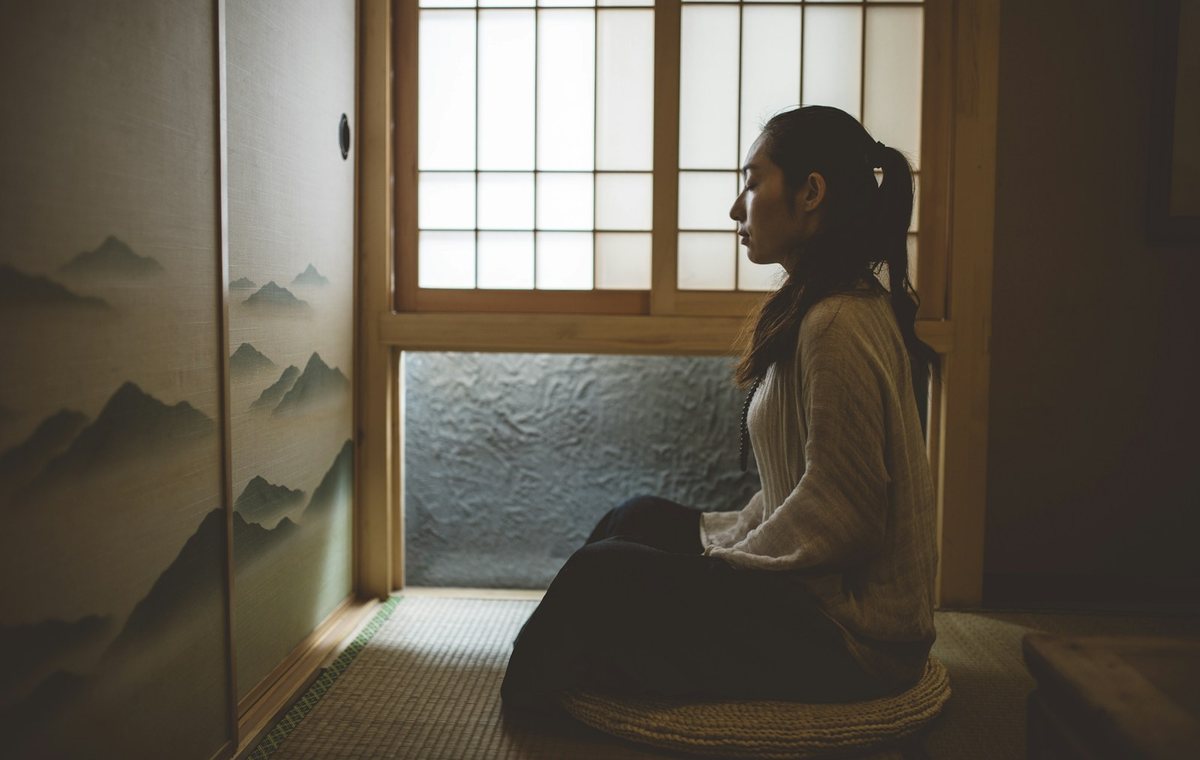
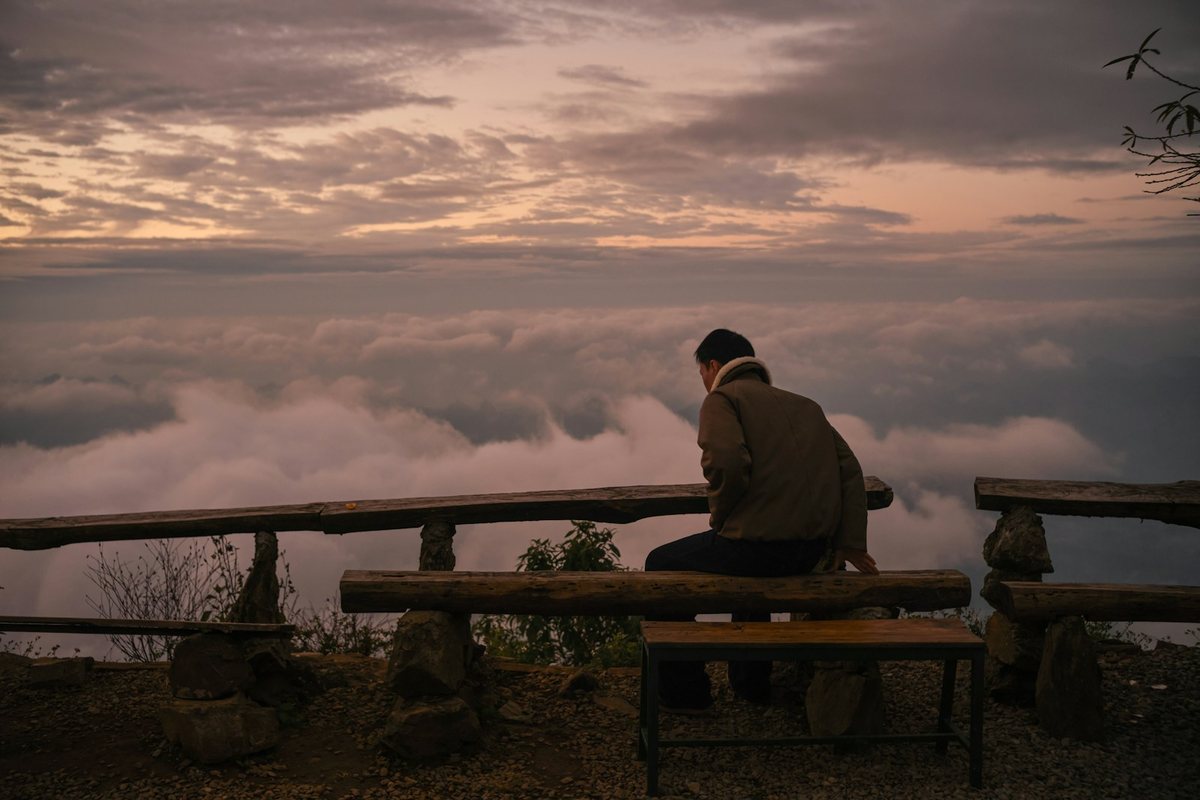
Ten days of silence can be peaceful. They can also bring back what a busy life kept at a distance. Photo: Harry Le / Unsplash
The organisers themselves say that the course is not for everyone, and their warnings deserve to be read before the application form. They do not recommend it for people with serious psychiatric disorders, and they point out that the centres are run by volunteers, not clinicians. Their guidance says that someone with a history of severe depression is better served by working with a health professional, that people in the middle of an emotional upheaval should not come, and that old reactions can resurface during a course. Applicants are asked about their mental health history, and some are asked for their doctor's approval.
Answer that questionnaire fully. A course is also a poor place to go in order to fix something: a breakup, a bereavement, a burnout. The organisers call learning Vipassana to cure an illness a mistake, and our article on burnout retreats explains why an intensive retreat is not a rest. Sedatives and sleeping pills are not allowed on site, and anyone on prescribed medication is asked to tell the teacher, so a conversation with your own doctor is part of applying.
How to prepare, if you go
The course is designed for someone in reasonable physical and mental health who is willing to work, and a little preparation makes the first days less of a shock.
Read the rules twice. The full code of discipline is public. If a rule makes you angry on paper, it will not improve at four in the morning.
Sit before you go. Twenty minutes a day for a few weeks will not make ten hours easy, and it will show you how your knees and your mind behave. Our guide to meditation is a place to start.
Try a shorter silence first. Some insight centres run silent retreats that last a weekend, with a gentler schedule. The silent retreats in our directory include several.
Keep the days after free. Nobody leaves before the morning after the tenth day. Do not book a flight for that afternoon or a deadline for the day after.
Tell someone where you are. In an emergency, a friend or relative can reach you through the centre's staff.
Our guide on how to choose a retreat has a section on being honest about intensity, and it applies here more than anywhere.
The bottom line
A 10-day Vipassana course is free, serious and the same everywhere: ten hours of meditation a day, in silence, under a rulebook that leaves you very little to hide behind. Most people who finish one report feeling better, and some of that lasts. A minority have a hard time, occasionally a very hard one, and the organisers say plainly who should not come. Read their rules, answer their questions honestly, and go when life is steady, not when it is falling apart.
Meditation isn't mysticism or doing nothing — it's attention training. The difference from mindfulness, the main techniques, what the evidence (the 2013 JAMA review) really shows, and how to start.
Mindfulness is a plain, ancient practice buried under app-store hype. What it actually is (Kabat-Zinn/MBSR), what the evidence really shows (moderate, per the 2014 JAMA review), and the honest caveats.