

Lifestyle
Finding Your Game, A Journey into the Heart of Tennis
Tennis is the loneliest team sport there is — a problem that's entirely yours to solve. On its heartbreaking scoring, the game in your head, the four majors, and why to just play.
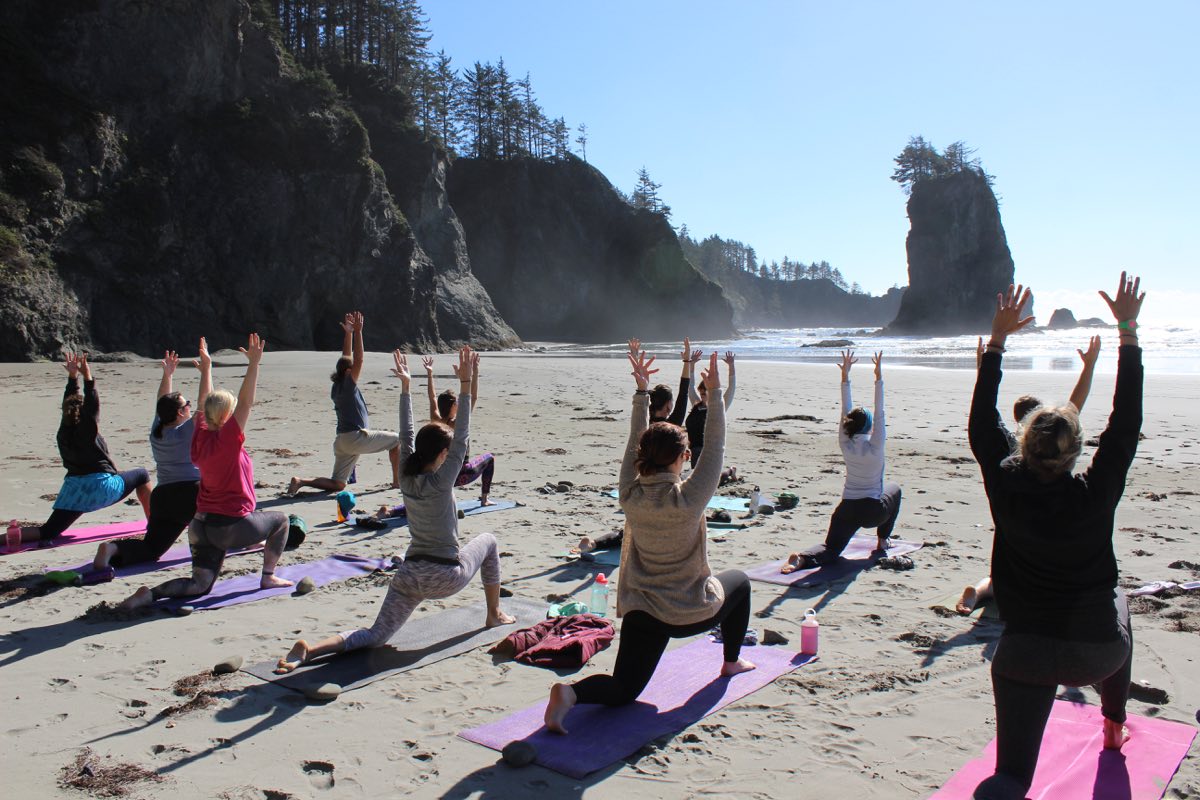
There is a particular kind of tiredness that a holiday doesn't fix. You come back from the beach as frayed as you left, because a holiday asks nothing of you and changes nothing in you. A retreat is a different proposition: a deliberate step out of ordinary life to rest, to learn a practice, or to reset something that has drifted. Done well, it can be one of the most restorative things you ever give yourself. Done carelessly — the wrong place, the wrong intensity, the wrong time — it can be an expensive week of feeling out of place. The difference is almost entirely in the choosing, and choosing well starts not with a brochure but with a question.
Before you look at a single destination, get honest about what you actually want from the time away. The glossy photographs all look alike; your reasons do not. Are you simply exhausted and need to do very little in a beautiful place? Do you want to deepen a yoga or meditation practice you already have? Are you navigating a hard passage — grief, a decision, burnout — and need space to think? Or do you want to come back fitter, having actually moved your body every day? Each of these points to a different kind of retreat, and the most common mistake is choosing the prettiest option rather than the one that answers your real reason for going. Name the why, and most of the decisions below make themselves.
Retreats are not one thing, and the word covers experiences that feel genuinely different from one another. A yoga retreat is built around daily practice, usually with healthy food and free afternoons — a good fit if you want to move, stretch and reset the body. A meditation retreat is quieter and more inward, often silent, structured around sitting and walking practice; profound for some, a long way from relaxing for others. A broader wellbeing retreat mixes movement, spa, nutrition and rest, and is the gentlest, most all-round choice when you mainly want to feel human again. And if your idea of a reset is to be coached hard at something you love, an active camp — a tennis camp, say — scratches that itch far better than a wellness spa ever will. Pick the category that serves your goal, not the one with the best infinity pool.
This is where people most often misjudge themselves. Retreats sit on a wide spectrum of structure and demand, and the right level is a question of temperament, not virtue. At one end is a ten-day silent meditation course: no talking, no phone, pre-dawn starts, hours of sitting — transformative for the right person and genuinely hard for most. At the other is a loose wellbeing stay where the only obligation is to turn up for the massage. Neither is better; they suit different people and different moments. Ask yourself truthfully how much structure you want imposed on you, whether silence sounds like relief or torture, and whether you are going to grow or to rest — because a demanding programme when you are already depleted can leave you worse, not better. If in doubt for a first time, choose gentler than your ego suggests.
Only once you know the type and intensity does location become useful rather than seductive. Weigh the travel honestly: a long-haul flight and serious jet lag can swallow the first three days of a week-long retreat, so sometimes the quiet centre two hours from home beats the dream destination on the far side of the world. Think about climate and season too — a hot-country retreat in high summer, or a mountain one out of season, can be its own kind of ordeal. The practical move is to decide what you want, then look at which region does it well and when: our listings are grouped so you can browse yoga, meditation and wellbeing retreats by type and region and see at a glance what each place and season offers. Match the setting to the season, and let the postcard be a bonus, not the deciding factor.
Price is where retreats vary most, and more expensive rarely means more restorative. At one end are donation-based and ashram stays that cost very little; at the other, five-star wellness resorts that run to thousands a week. What matters is less the headline number than what it includes and whether it fits your actual reason for going. Read carefully what the price covers — accommodation, all meals, the programme, transfers, treatments — because "from" prices often hide a lot, and a cheap-looking retreat with everything charged as an extra can end up dearer than an all-inclusive one. Set a budget before you fall in love with a place, and remember that the goal is the reset, not the thread count. A simple, well-run retreat that answers your why will do more for you than a luxurious one that doesn't.
Retreats are a trust business, often booked months ahead and paid for upfront, in a world with no shortage of overpromising. A little diligence pays off. Look into who is actually leading it — a named, experienced teacher is a far better sign than an anonymous "team of experts." Seek out independent reviews rather than only the testimonials on the organiser's own site. Read the cancellation and refund terms before you pay, because plans change and some retreats keep every penny. And treat grand claims warily: anything promising to "cure," "detox" or "transform" you in a week is selling, not helping, and a retreat is not medical treatment — if you have a health condition, clear it with your doctor first. This is also, frankly, why a hand-checked directory earns its keep: every place in our retreats guide is real and was still running when we last confirmed it, with a link straight to the organiser and no booking fee in between.
If you're hesitating because you'd be going solo, don't: retreats are one of the easiest and safest ways to travel alone, precisely because you arrive into a ready-made group with a shared purpose and a structure to hold the days. Most people come by themselves. For a first retreat, set your expectations kindly — the first day or two can feel awkward or restless as the pace of ordinary life drains out of you, and that passes. Pack less than you think, leave room for the practice to be uncomfortable before it's good, and resist the urge to pick the most hardcore option to prove something. The aim is not to endure a retreat but to be changed a little by one, and that happens most reliably when the fit is right.
There is no best retreat, only the right one for you, this year, for this reason — and you find it by working from the inside out: your goal first, then the type and intensity that serve it, then where and when and what you can spend, and only then the specific place, properly vetted. Get that order right and a week away stops being a gamble and becomes one of the better investments you can make in a life that runs too fast. When you're ready to look, start with the full list of real, hand-checked retreats and let your why do the choosing.
Part of our reading guide on travel & retreats.
Tennis is the loneliest team sport there is — a problem that's entirely yours to solve. On its heartbreaking scoring, the game in your head, the four majors, and why to just play.

Surfing without the postcard: its real Polynesian and Hawaiian roots, why it's so humbling, the honest physical and mental benefits, a word on localism, and how to actually start.
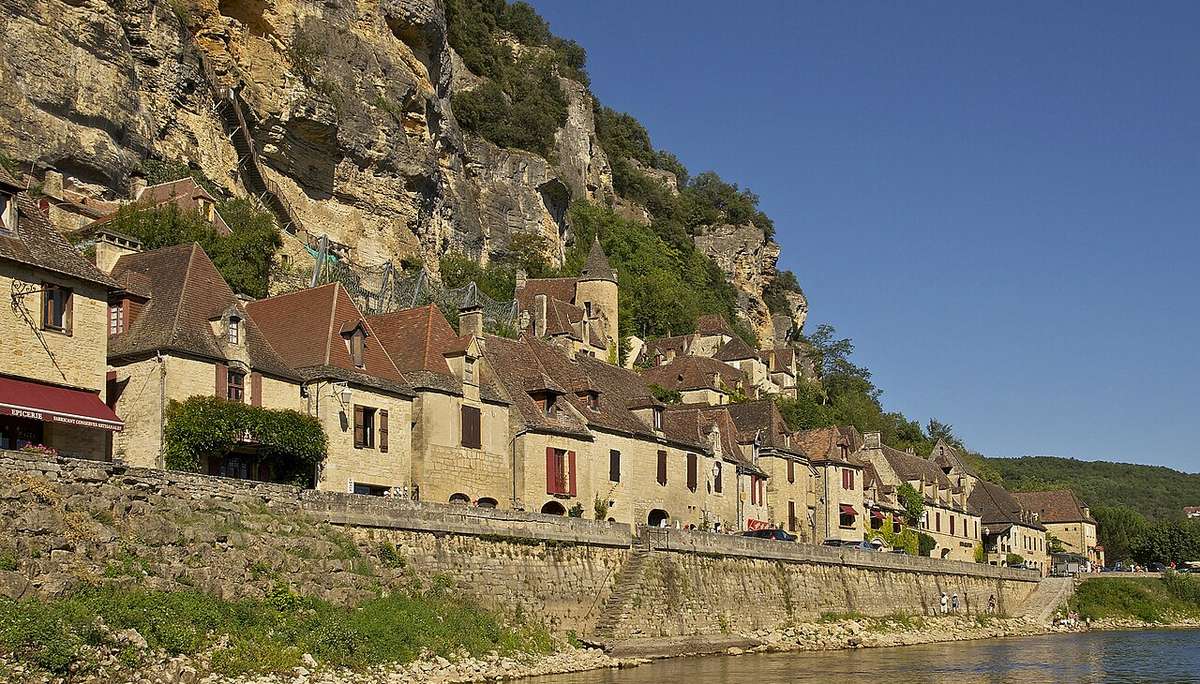
The Basque coast from San Sebastián to Biarritz: the pintxo crawl, Saint-Jean-de-Luz, the surf at Biarritz, and the flysch cliffs of the Corniche Basque — an honest guide to a coast best taken slowly.