
Lifestyle
Finding Your Game, A Journey into the Heart of Tennis
Tennis is the loneliest team sport there is — a problem that's entirely yours to solve. On its heartbreaking scoring, the game in your head, the four majors, and why to just play.
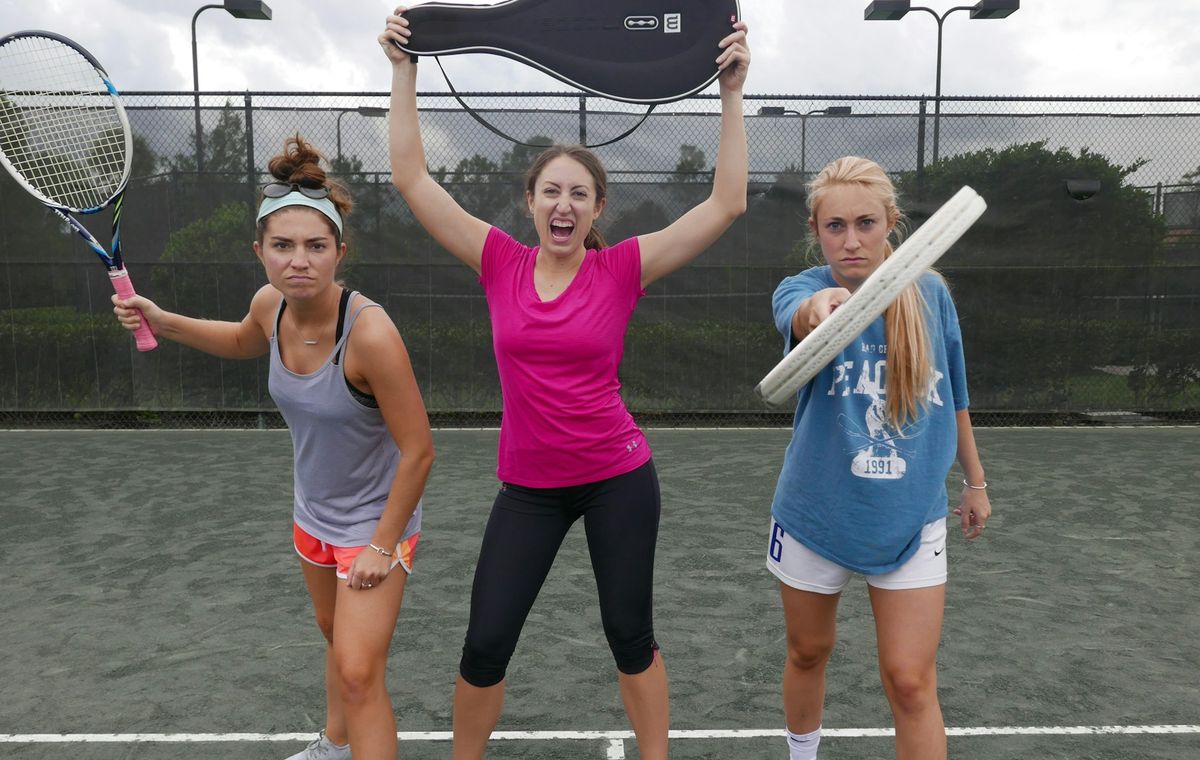
Picture a Tuesday morning in May. The clay has just been brushed, a coach is feeding balls from a basket, and you are hitting your two-hundredth forehand of the day next to three people you met at breakfast. By Friday your legs will ache in places you did not know tennis used, and you will have played more in five days than in the previous three months at home.
That is a tennis holiday: a few days or a week somewhere warm, built around daily coaching, almost always in a group. You hit with the same people in the morning, play doubles against them before dinner, and by the third day you know their backhands better than their surnames. For anyone who took up the game late, or came back to it after twenty years, it is the one time tennis gets the attention the rest of life never leaves for it.
It exists for every age. There are camps for children of six, weeks for teenagers, group holidays for people in their twenties, family resorts where the lessons come with the room, and academies for adults who want to be pushed. It can also be a tiring and expensive mistake if the place does not fit the player.
For our directory of tennis camps we checked 18 places that welcome adults, in Europe and the United States, and for this guide we added the two French names most families start with. Here is how to choose.
Five kinds of player, five different answers.
If you are booking for a child, for a teenager, or for yourself at twenty, start with two French institutions.
UCPA is a non-profit sports association that runs holiday camps, the French colonies de vacances, for ages 6 to 17, and tennis is one of its sports. The children are coached by instructors qualified by the French tennis federation. When we looked in November 2026, its “Full Tennis” weeks at Bois-le-Roi, near Paris, came in two versions, one for ages 6 to 10 and one for ages 11 to 17: seven days and six nights, listed from €695 before travel.
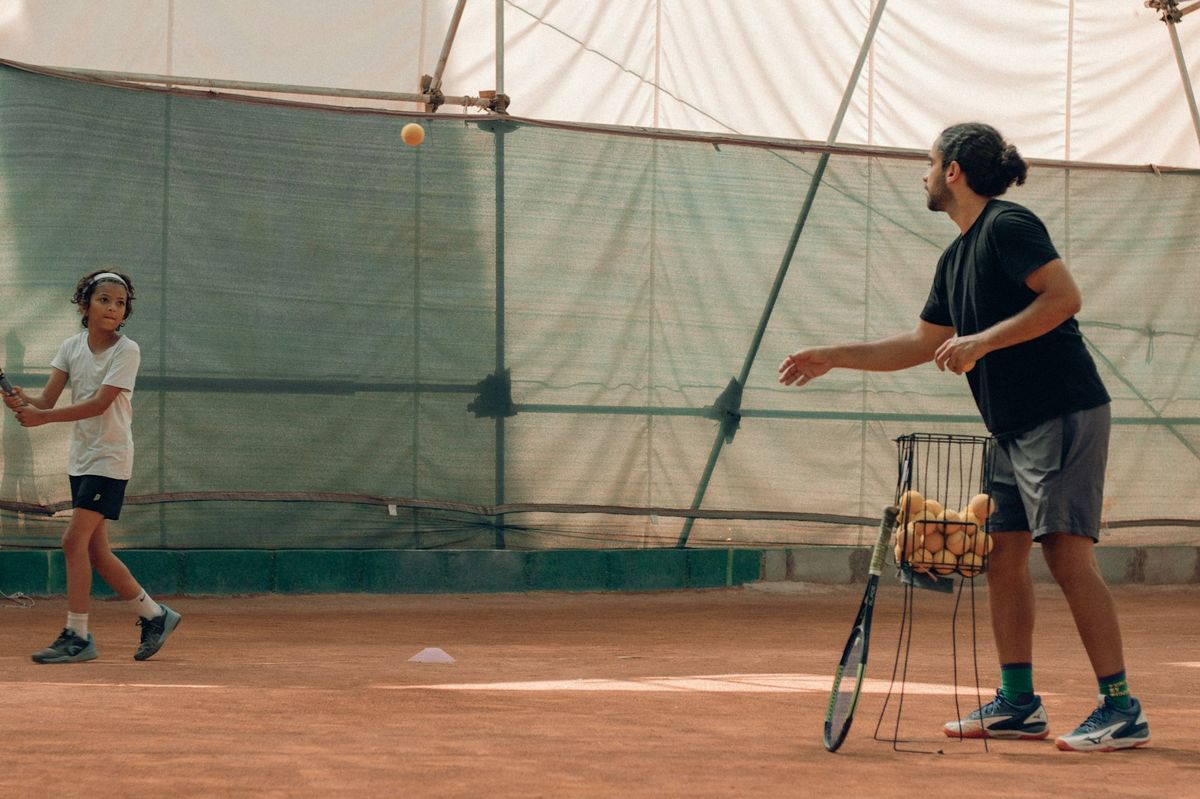
The format is an adult camp cut to size: one or two sessions a day of an hour and a half to two hours, softer balls for those who are learning, free play, and a tournament that runs through the week. No more than four players share a court. Rackets and balls are provided.
UCPA does not stop at 17. Its adult tennis weeks take players from 18 to 55, grouped by level, from complete beginners to ranked club players. For a young adult travelling alone it is one of the easier ways into a tennis holiday, because the group is the whole idea.
Club Med works the other way round: you book a family holiday, and the tennis comes with it. Group lessons for every level are included in the all-inclusive price from age 11, in 37 resorts that have a tennis school. Nobody signs up. You pick a time and walk onto the court, and rackets and balls are lent. From age 7, children can take a short course through the kids' club, an hour a day for three days, and teenagers can book courses of their own. Intensive courses and private lessons cost extra. The resorts with tennis include Da Balaia in Portugal, Opio in Provence, Gregolimano in Greece, Marbella in Spain and Cefalù in Sicily.
Which of the two? A UCPA camp is a week among other children, with tennis every day. A Club Med stay is a family holiday where each person plays as much or as little as they like. For a child who already loves the game, the first. For a family still finding out whether anyone does, the second.
The academies and resorts in the rest of this guide are a third route, because most of them teach children as well as adults. The Rafa Nadal Academy, La Manga Club, Pine Cliffs in the Algarve and Forte Village in Sardinia all run junior programmes next to their adult ones, and at Club La Santa the free group lessons start with children over six. A parent and a child can then spend the same week in the same place, each in a group of their own level.
The examples that follow are adult programmes, because that is what we checked for the directory. The questions, hours, level, players per court and price, are the same at any age.
Start with the hours, because nothing else shapes the week as much. One of the adult weeks at David Ferrer's academy near Alicante means ten hours of tennis and five of fitness between Monday and Friday. A weekend clinic at Van der Meer, on Hilton Head Island in South Carolina, packs nine hours of coaching into three days. The intensive tennis weeks at Mark Warner's beach resorts add twenty hours on court to an ordinary holiday.
If you normally play an hour or two a week, any of these is several months of tennis in a few days. That is the appeal. It is also a load your body has not rehearsed. A review of the research on tennis injuries found that most of them affect the legs, then the arms, then the trunk. The same review found no proper trials of how to prevent them, so nobody can promise you a formula. Common sense still applies: play a little more often in the month before you go, and if you hesitate between two programmes, take the lighter one.
The camps fall into two families.
Academies exist for tennis. The Rafa Nadal Academy in Mallorca, Mouratoglou on the Côte d'Azur, the Ferrer and Ferrero academies near Alicante, Emilio Sánchez in Barcelona and IMG in Florida are best known for training young players, and all of them run separate programmes for adults. Several have a hotel on site or next door. The week has one subject. They suit people who are going for the tennis and would be content with nothing else.
Resorts are holidays with serious tennis attached. La Manga Club in Murcia, Club La Santa in Lanzarote, Vale do Lobo and Pine Cliffs in the Algarve, Sani in northern Greece and Forte Village in Sardinia have courts, coaches and courses, and also a beach, a pool and something to do for whoever came with you. They suit couples where only one person plays, and families.
Between the two sits an American tradition, the tennis resort where adults are the main guests: John Newcombe's ranch in the Texas hill country, Saddlebrook near Tampa, Van der Meer in South Carolina.
Most disappointments start here. Not every programme takes beginners, and the ones that do are not the ones a strong club player should book. Club La Santa offers its guests free group lessons from beginner to advanced, but keeps its intensive tennis weeks for experienced players. Mouratoglou's adult weekends take every level, and the same academy runs separate weeks for people who compete. Van der Meer says exactly whom its weekend clinics are for: players rated 2.0 to 4.5.
A figure like that comes from one of two rating scales worth knowing. In the United States, the NTRP rating runs from 1.5 for a beginner to 7.0 for a touring professional. The International Tennis Federation's World Tennis Number runs the other way, from 40 for a beginner down to 1 for an elite professional.
If you have neither, describe yourself plainly: how long you have played, how often, and whether you can keep a rally of ten shots going. A camp needs this to put you in the right group. Rounding up helps nobody. A week as the weakest player on the court is hard on you and on the other three.
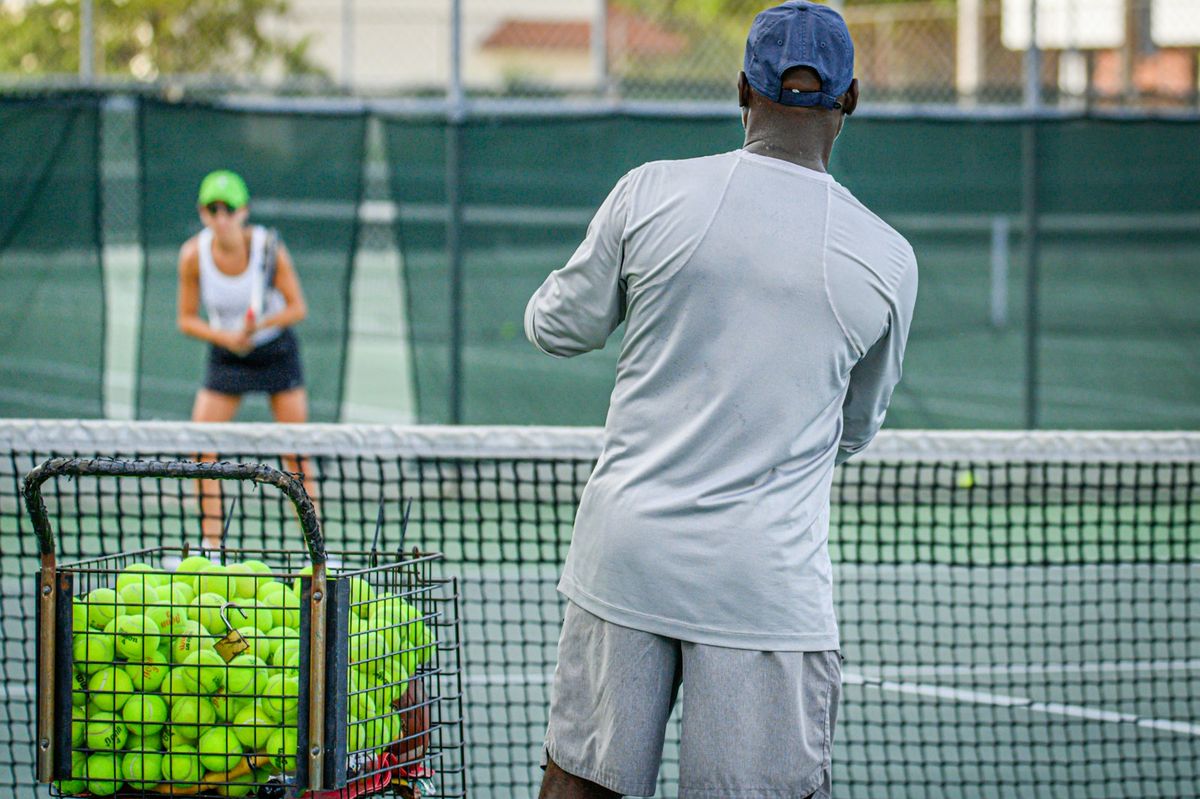
The number that says most about the coaching is rarely on the first page: how many players share a court and a coach. Saddlebrook works at four players to one instructor. Emilio Sánchez caps its adult groups at four per court and coach. With four, you hit a lot of balls and the coach has time to look at you. With eight, you queue.
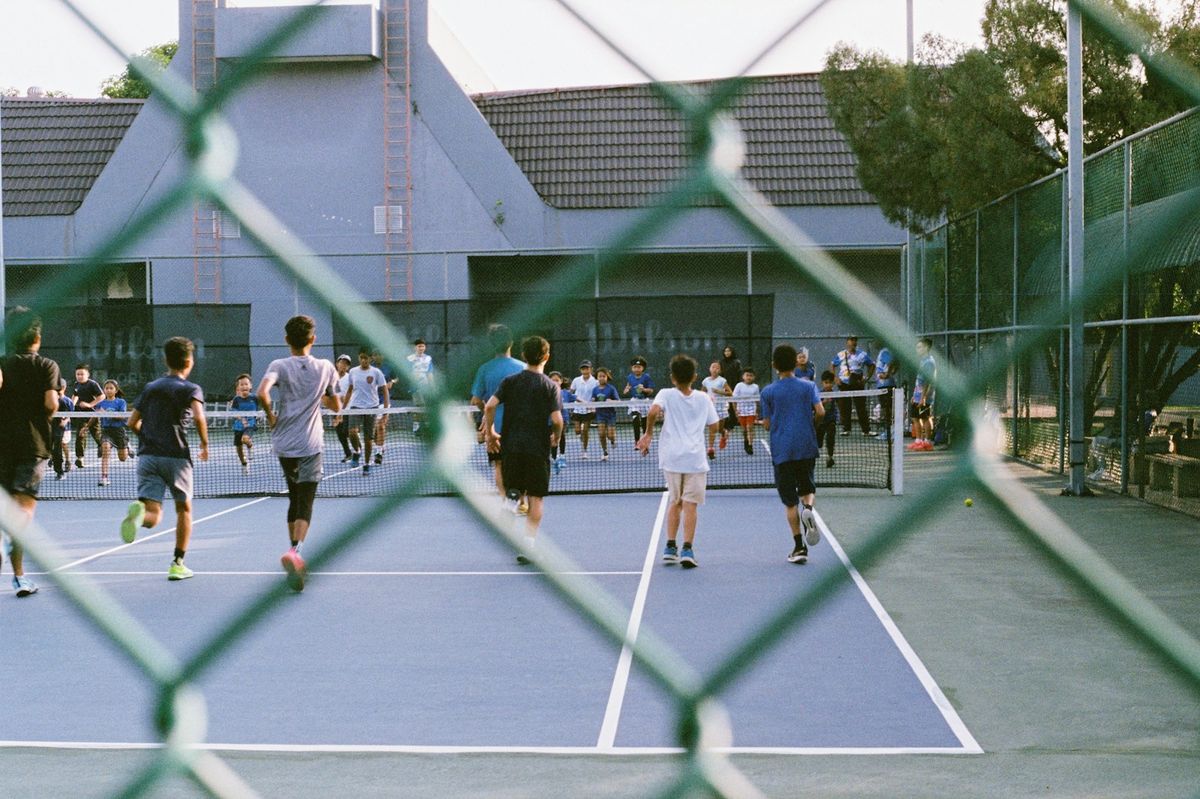
If the website does not give the figure, ask. Ask, too, whether you keep the same coach all week. Someone who has watched your serve since Monday knows on Thursday what to leave alone.
Prices are hard to compare because camps do not sell the same thing. These are the figures we found in November 2026.
So before you compare two figures, check what each one covers: coaching hours, lodging, meals, court time outside lessons, the transfer from the airport. And look at the single-traveller price, which can be very different from the one in large type. Our directory gives a starting price wherever we could confirm one, with a link to the page it came from.
Spain is the centre of gravity for adult camps in Europe, and the calendar is one reason: the Rafa Nadal Academy and Emilio Sánchez take adults all year. The tennis centre at Sani, in Greece, opens from April to October. Jonathan Markson's adult camp in Cambridge runs in August only, and offers something rare: a week on grass. In the United States, the camps in Florida and Texas run through the winter.
The surface changes the tennis. Clay is the slowest. The ball sits up, rallies last longer, and a learner gets more time on each shot. Hard courts are quicker and less forgiving. Sani has eight clay courts, and La Manga has both clay and hard.
Then there is the heat. In July and August, a court in southern Spain or Greece is a hard place to be at two in the afternoon. Look for a timetable with early sessions, or evening ones, as Mouratoglou offers in summer. Our piece on coping with a heatwave explains why the middle of the day is the part to avoid.
A little during the week, and more if you do something with it afterwards. Research on how skills are learned has found for decades that practice spread over time beats the same amount of practice crammed together. A review of 63 studies found a clear advantage for spaced practice, though its size depended on the task.
A tennis camp is the crammed version. What it gives you that a weekly lesson cannot is a coach who watches you for long enough to see what is really wrong, and enough repetitions to feel the correction in your arm. The gain comes when you take one or two of those corrections home and keep working on them. So ask what you leave with: written notes, a video of your serve, a plan for the next three months. And read The Inner Game of Tennis on the plane. It is about where your attention goes when you hit, which is the thing a camp gives you the hours to practise.
There is also a reason to go that has nothing to do with your backhand. In a study that followed about 8,500 people in Copenhagen for up to 25 years, those who played tennis lived 9.7 years longer than those who did no exercise, the largest gap of any sport measured. A British study of more than 80,000 adults found that people who played racket sports were 47% less likely to die during the follow-up than those who did not.
Both studies are observational. People who play tennis differ from people who do not in many ways, so neither proves that tennis is the cause. The Danish authors did notice one thing: the sports with the most social contact came out best. A week of tennis with strangers who become doubles partners is, whatever else it is, a week of that. Researchers have a name for keeping that up, social fitness.
Choose the camp for the tennis you actually play, not for the name over the gate. A beginner will be happier at a resort with daily group lessons than in a famous academy's intensive week. A club player who wants to be pushed will be happier the other way round. Check the hours, the players per court and the price before you look at the photographs.
Then go, hit a thousand forehands, and come home with one thing to fix. Our list of tennis camps for adults is a place to start, with a selection in Europe and another in the Americas. Our guide to choosing a retreat covers the questions that apply to any week away, and our piece on why tennis gets under the skin explains why you wanted to go in the first place.
Part of our reading guide on sport, play & travel.
Tennis is the loneliest team sport there is — a problem that's entirely yours to solve. On its heartbreaking scoring, the game in your head, the four majors, and why to just play.
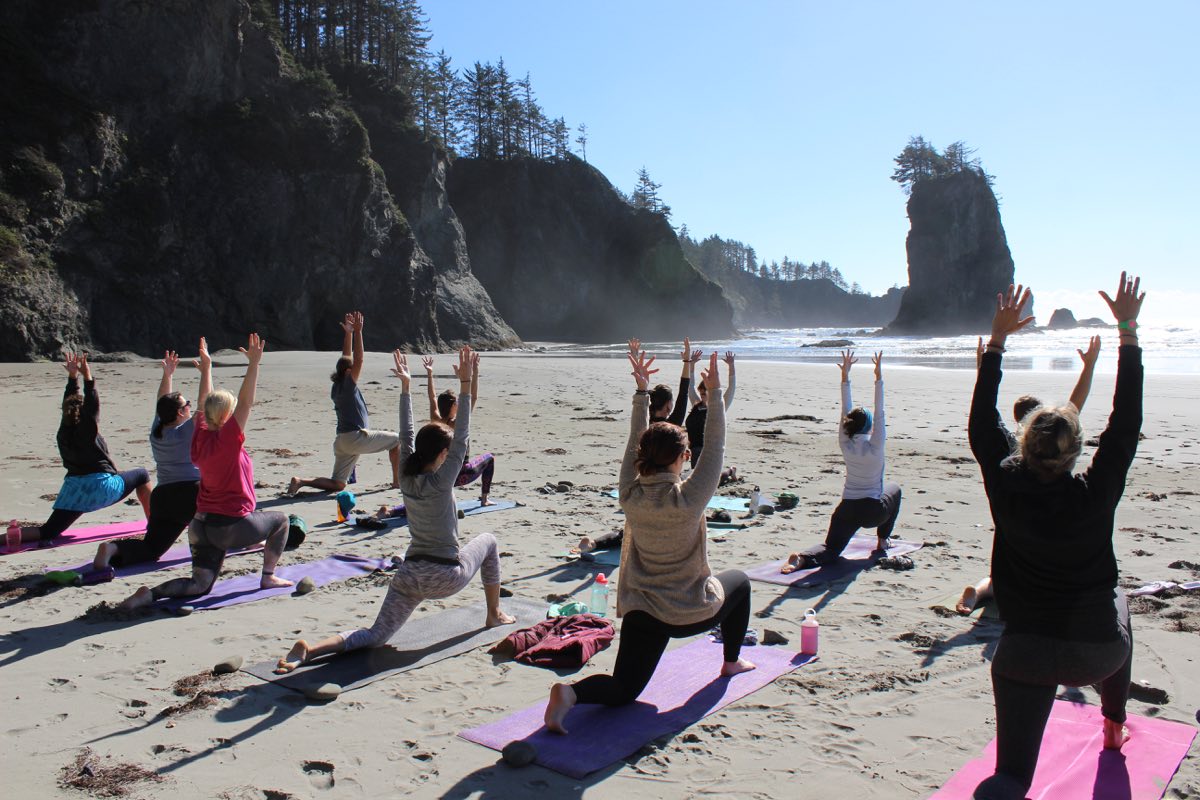
There is no best retreat, only the right one for you. A practical guide: start with why, then match the type, intensity, place, season and budget — and check it's real.

Doubles, a small court, glass walls and a solid racket: padel is easy to learn and hard to put down. Its origins, the rules, the tactics that win points, what it does for your health, and how to start.