The idea turns up every few years, usually online and usually among people in their twenties: sleep in short bursts spread around the clock, twenty minutes here and there, and get by on as little as two hours a day. The reward is supposed to be extra waking life, years of it. The practice is called polyphasic sleep, and its promoters say they thrive on it.
A more modest version of the same hope is much more common. The night was short, so the nap will make up for it. This article looks at both, the extreme schedule and the everyday bargain, and at what naps can and cannot do.
The short answer
No: a nap can top up a night, but a string of naps cannot stand in for one. A day's sleep can be split into two parts if the total is enough, and that is as far as the evidence goes.
Adults need seven or more hours of sleep a night on a regular basis, according to the joint recommendation of the two main American sleep societies. And when a panel of sleep and body-clock researchers convened by the National Sleep Foundation went looking for evidence on polyphasic schedules, sifting more than 40,000 publications down to the 22 that were relevant, they found no evidence of any benefit. Their conclusion was that these schedules, and the lack of sleep built into them, go with worse physical health, worse mental health and worse performance. They advise against any schedule that sharply cuts sleep per 24 hours or breaks it into many pieces.
What a nap can do
A short nap makes you sharper for an hour or two, and the evidence for that is good. None of what follows is an argument against naps.
A review of the research on napping and thinking found that brief naps of five to fifteen minutes sharpen people almost immediately, for one to three hours. Naps longer than half an hour leave people groggy for a while, then improve their performance for much longer, up to many hours. A later meta-analysis of 11 experiments and 381 participants found that people did better on cognitive tests after a daytime nap, alertness above all, and that the gain lasted about two hours.
So a nap is a real tool. Our guide to power napping covers how long and when. The question here is a different one: what happens when the nap is asked to do the night's job.
What a nap cannot do
A nap cannot repay a short night. Start with what it contains: the same review points out that a brief nap includes virtually none of the deep, slow-wave sleep a night provides. Whatever it does for alertness, it is not a small copy of a night.
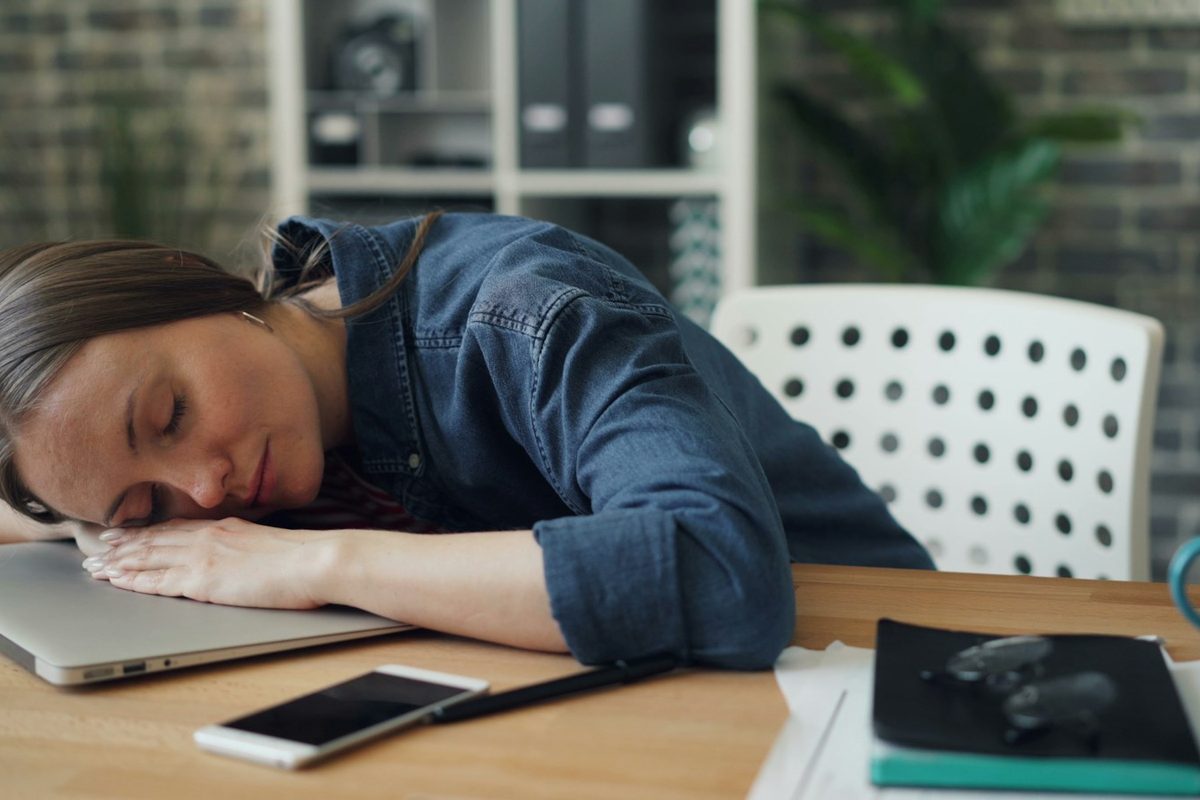
Falling asleep on the laptop is not a nap strategy. It is the debt being collected. Photo: Vitaly Gariev / Unsplash
Then there is the arithmetic of lost sleep, and a well-known experiment shows how unforgiving it is. Forty-eight healthy adults were kept in a laboratory and limited to eight, six or four hours in bed a night for two weeks. In the six-hour and four-hour groups, performance on every test got steadily worse, day after day. After two weeks at six hours or less, people were as impaired as people kept awake for up to two nights in a row.
The second finding matters even more for anyone tempted by a nap-only schedule. The participants did not feel it. Their own ratings of sleepiness rose a little in the first days and then levelled off, while their performance kept falling. The authors concluded that people were largely unaware of how impaired they had become. “I feel fine on four hours and a couple of naps” is exactly what the experiment predicts someone will say.
Finally, naps have a cost of their own. The grogginess on waking is called sleep inertia, and a review of the research found that it is worse after prior sleep loss and at certain times of day. The less you sleep at night, the rougher each nap's landing.
Splitting sleep is not the same as cutting it
Here the picture gets more interesting, because not all divided sleep is bad sleep. The panel that condemned polyphasic schedules set siestas aside as a separate case, and with reason.
In one laboratory study, 29 men lived for 13 days cut off from clocks and daylight. One group had its sleep in a single block. The other had the same total time in bed split into two equal halves. Both groups ended up sleeping the same amount, and overall there was no difference in their performance. The researchers' conclusion was careful: when the total opportunity for sleep is adequate, splitting it in two does no harm.
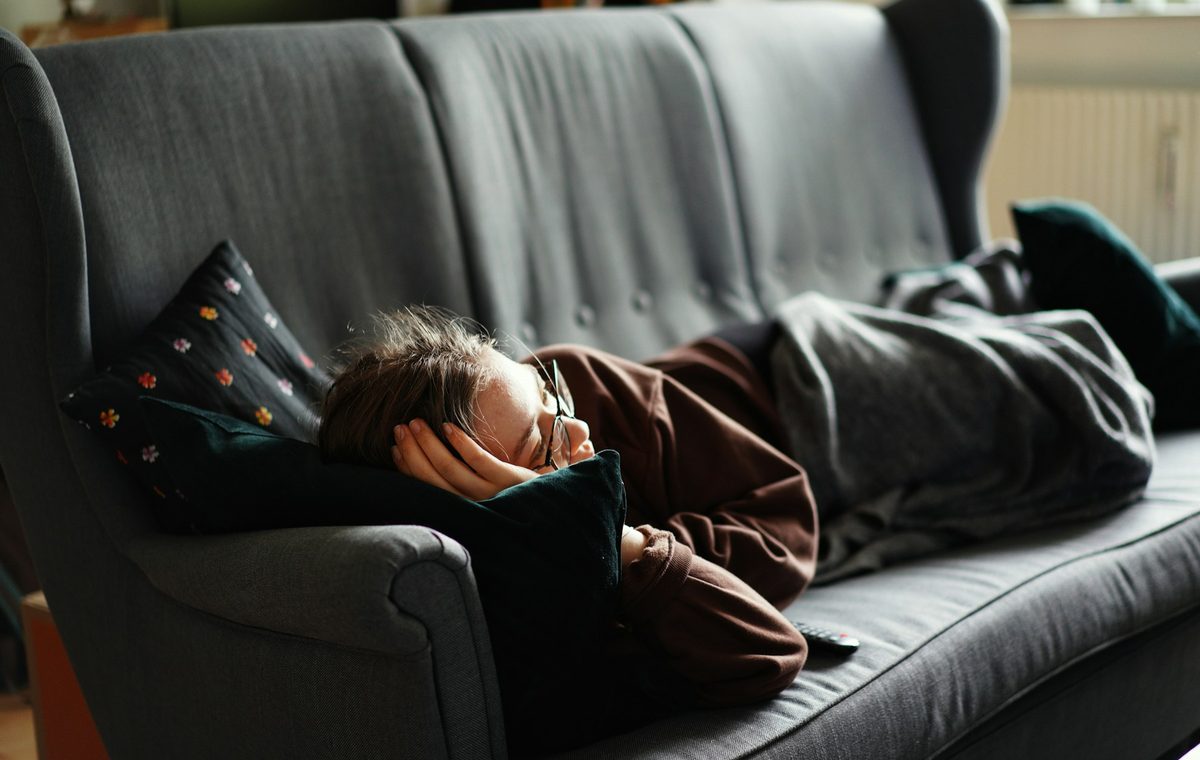
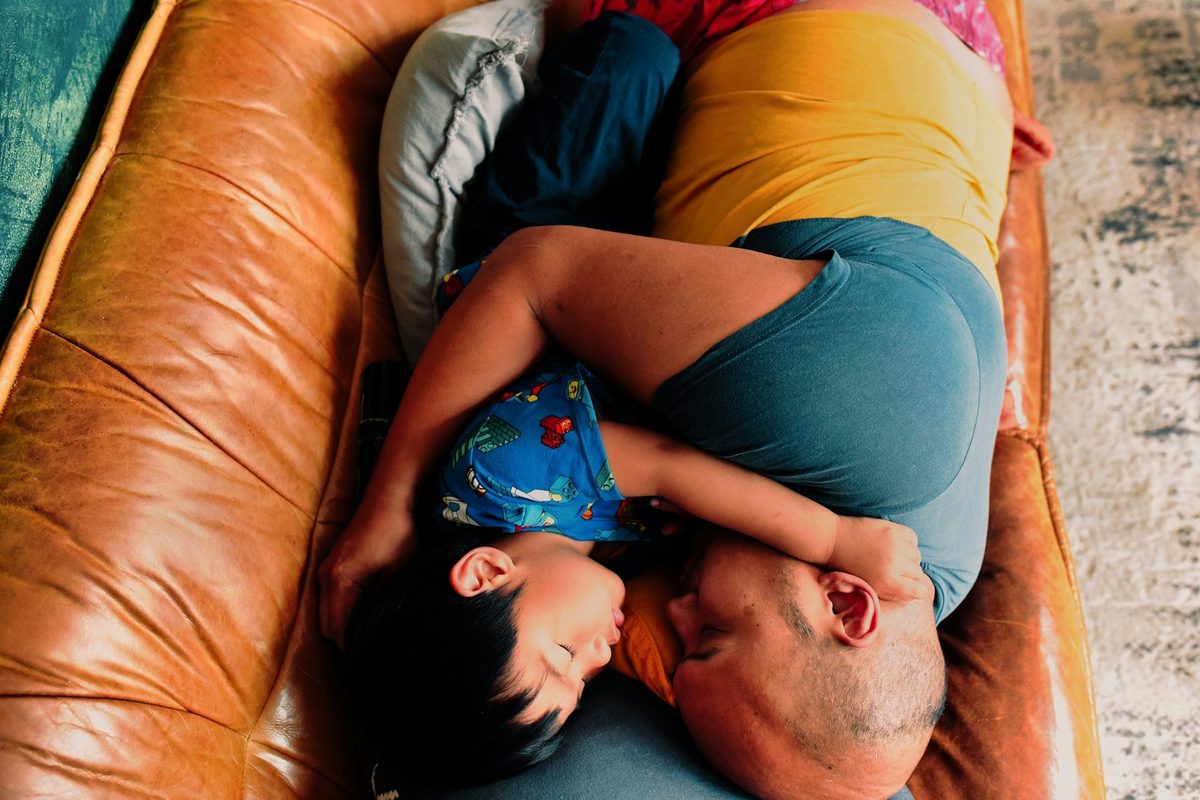
A siesta is a second, shorter sleep added to a night. It is not a substitute for one. Photo: Kris Len Lu / Unsplash
That is the real line. A shorter night plus a long siesta that together reach seven hours or more is one thing. Six scattered naps that add up to three hours is another. It was one small study of young men in an artificial setting, so it does not prove that every two-part schedule suits everyone. But it points the same way as the rest of the evidence: what counts is the total, and whether the pieces are long enough to be real sleep.
When naps are the best tool you have
Some people cannot protect their nights. Nurses, drivers, bakers and security guards work through them. For night-shift workers, a review of 13 studies found that planned naps during the shift reduced sleepiness and improved performance, despite a short spell of grogginess after each one. The studies were small, and none measured safety on the job directly, so the authors asked for larger trials before calling it settled.
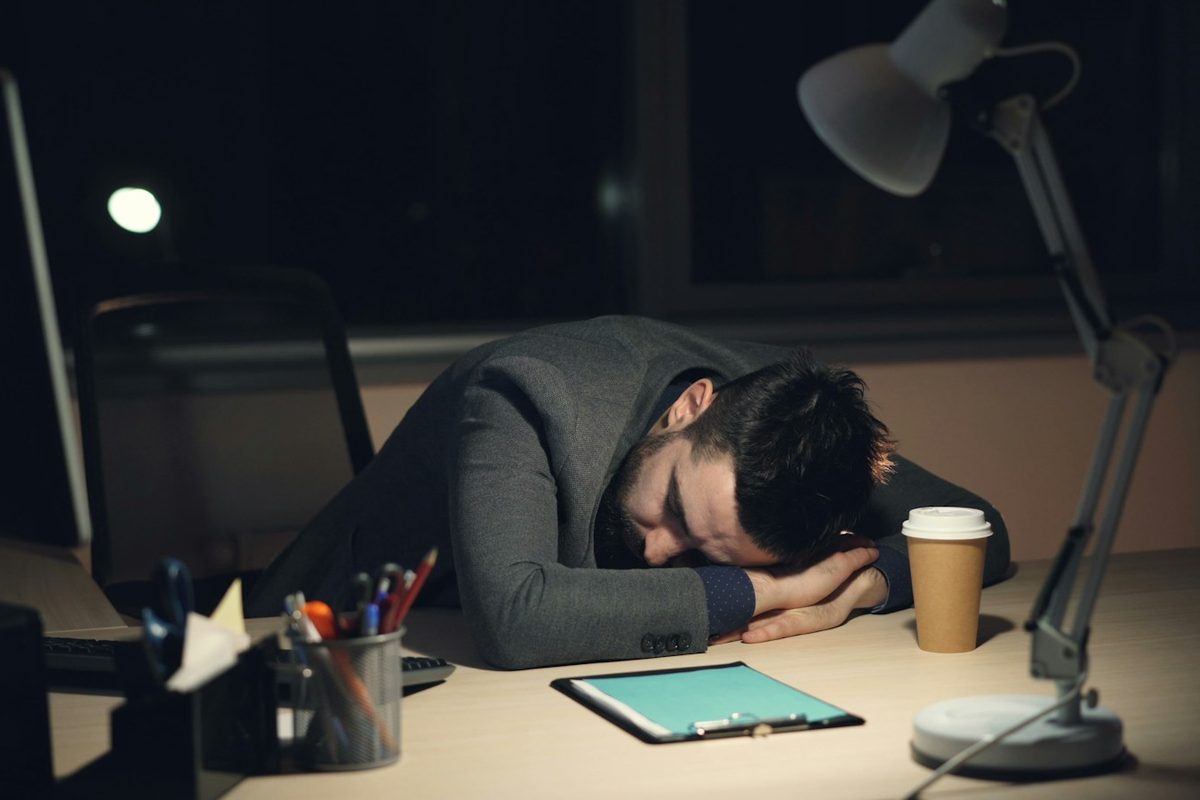
When the night belongs to work, a planned nap is damage control, and good damage control. Photo: Vitaly Gariev / Unsplash
The same logic applies to the parent of a newborn. The night is broken, so the total has to be rebuilt from pieces, and a nap while the baby sleeps is the obvious piece. This is sensible, and it is temporary. Nobody should mistake it for a better way to live.
These are observational studies, and the likeliest reading is not that long naps harm you. People who need an hour or more of daytime sleep, day after day, are often sleeping badly at night or are unwell in some other way. The nap is the signal. If that describes you and your nights look long enough on paper, it is worth mentioning to a doctor.
A working rule
Protect the night first. Seven hours or more, most nights. Nothing else on this list replaces it.
Nap to top up. Ten to twenty minutes in the early afternoon buys a couple of sharper hours.
If your nights cannot be long, rebuild the total. A proper second block of sleep in the day is better than a string of short naps. Leave time for the grogginess to clear before you drive or decide anything.
Do not trust “I feel fine.” It is the one measure the research shows to be unreliable.
The bottom line
Naps are good, and for some lives they are necessary. But the dream of trading the night for a handful of naps has been looked at by the people best placed to judge it, and they found nothing in its favour. Sleep can be moved around, within limits. It cannot be shrunk without a bill, and the bill arrives quietly, in a person who feels fine and is not.
Ten to twenty minutes, early afternoon, alarm set: the power nap in one line. What the research shows about nap length, how to nap without oversleeping, the coffee nap, and when a nap is a bad idea.
The same dozen sleep tips appear everywhere; almost nobody says which have been tested. Twelve habits with what stands behind each, from a fixed wake-up time to a caffeine curfew, and when to see a doctor.
Insomnia is common, wearing and very treatable. What it is, why the best-proven treatment is a short course called CBT-I, ten habits that help, and what sleeping pills and melatonin can and cannot do.