Every year the US Federal Reserve asks thousands of adults a blunt question: if you faced an unexpected expense of $400, how would you pay for it? In its latest survey, 63% said they would cover it with cash or its equivalent, meaning savings or a credit card paid off in full at the next statement. The other 37% would borrow, sell something, or could not pay at all.
Europe is not much better placed. In 2025, 29.2% of people in the EU lived in a household that could not cover an unexpected essential expense from its own resources, according to Eurostat. That ranged from 15.3% in the Netherlands to 50.5% in Greece.
An emergency fund is the plain answer to that question. It is also the least exciting money you will ever hold: it earns little, it sits still, and the day you need it is a bad day. This piece is about how much of it you actually need, where to keep it, and how to build it without waiting years. If you would rather start with your own numbers, use the emergency fund calculator.
Why a boring account matters so much
The obvious case for an emergency fund is financial. When the boiler fails or a contract ends, the money is there, and you do not pay credit card interest on a bad week.
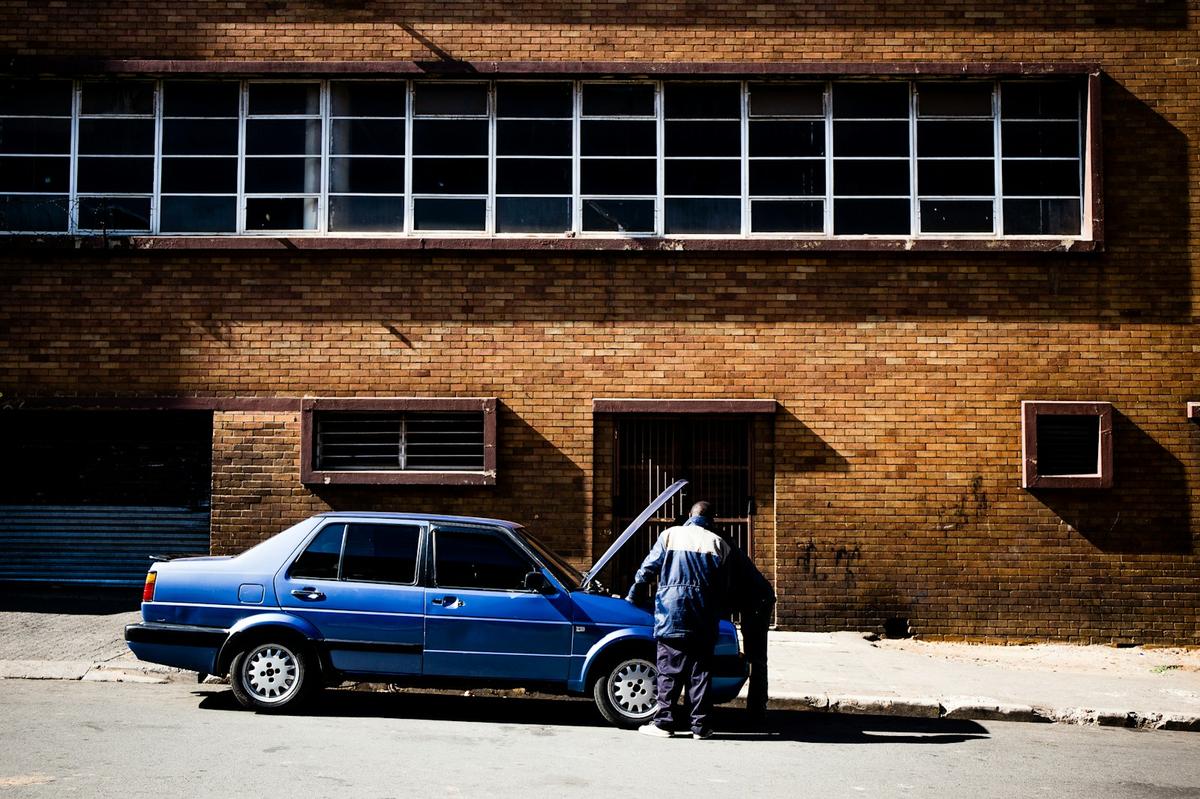
The classic emergency. It never picks a good week. Photo: Marc St / Unsplash
The less obvious case is how it feels. In a study of 585 customers of a British bank, Peter Ruberton, Joe Gladstone and Sonja Lyubomirsky matched life-satisfaction surveys with real account data. People with more money in their current and savings accounts reported higher life satisfaction, and the link held after accounting for income, investments and debt. The effect ran through how secure people felt about their finances. It was cash you can reach, not wealth in general, that made the difference.
Vanguard found something similar in a survey of more than 12,000 of its clients, published in 2025. Those with at least $2,000 set aside for emergencies scored 21% higher on a standard financial well-being scale than those with nothing, after taking income, debt and other assets into account. Having three to six months of expenses saved went with a score 13% higher. For comparison, having a million dollars or more in assets went with a score 18% higher.
Both studies are correlations. People who save may also be calmer planners to begin with, and nobody has randomly handed out emergency funds to see what happens. But the direction is consistent, and it fits common sense: a buffer turns a crisis into an inconvenience.
The rule of thumb, and where it comes from
The standard advice is three to six months of essential spending. It is the range Vanguard uses in its research, and the Federal Reserve tracks the lower end of it every year, asking Americans whether they could cover three months of expenses from a rainy-day fund.
Two words in that sentence do most of the work.
Essential means what you could not switch off if your income stopped next month: rent or mortgage, energy and water, food, transport to work, insurance and minimum debt repayments. Not your full current spending. Holidays, restaurants and most subscriptions would go first in a real emergency, so they do not belong in the calculation. For many households, essentials are well under total spending, which makes the target smaller than people fear.
Months means time. The fund is not really there for the €400 repair. It is there to buy you weeks when the bigger shocks arrive: a job loss, an illness, a business that dries up. The question behind "three or six?" is how long it would take you to get back on your feet.
Three months or six? It depends on your income
The range exists because people face different risks. A few questions move you up or down within it, and sometimes beyond it.
How steady is your income? A permanent salary in a sector that is hiring sits at the low end. Commission, seasonal work, short contracts or self-employment sit higher, because income can stop without notice and restart slowly.
How many earners? Two incomes that are unlikely to fail at the same time are a buffer in themselves. A single income is not.
Who depends on you? Children or relatives you support raise the cost of every month and reduce your room to cut back.
What could break? Owning a home or relying on a car adds lumpy repair bills that renters and city cyclists do not face.
What support exists? Unemployment benefits, sick pay and insurance shorten the gap the fund has to fill. They vary a lot by country, so check what you would actually receive and how quickly.
As a rough guide, a salaried household with two stable incomes and no dependants can reasonably aim for three months. A single earner with children, or anyone whose income is irregular, is closer to six. Self-employed people often go further, because a slow quarter is not an emergency for them but a normal part of the job. The calculator uses these factors to suggest a number of months; treat its answer as a starting point, not a verdict.
Start with one month, not six
Six months of essentials can look like an impossible number. For a hypothetical household spending €2,500 a month on essentials, it is €15,000. Seen that way, many people never start.
So do not aim for the full amount first. The US Consumer Financial Protection Bureau, in its guide to building an emergency fund, says the right amount depends on your situation and that even a small sum provides some security. Vanguard's data hints at why small amounts matter: a first cushion of $2,000 went with a bigger gain in well-being than a million dollars in assets.
A first cushion counts for more than its size suggests. Photo: Sasun Bughdaryan / Unsplash
A sensible order looks like this:
A starter buffer for the small surprises, roughly one month of essentials.
Pay down expensive debt. Credit card interest usually costs far more than savings earn. Keep the starter buffer while you do it: the CFPB points out that an emergency paid for on credit can end up costing much more than the original bill, once interest and fees are added.
Build up to your full target in months.
Only then invest for the long term with money you will not need for years.
Where to keep it
An emergency fund has three jobs, in this order: be safe, be reachable within a day or two, and earn something. Return comes last on purpose.
That rules out shares and funds, however attractive their long-run returns. Markets tend to fall at the same time as jobs disappear, and being forced to sell at a low point turns a bad month into a permanent loss. It also rules out keeping the money in your everyday account, where it quietly gets spent.
Be honest about the cost. Cash savings often earn about the rate of inflation, sometimes less. If your account pays one point below inflation, a €9,000 fund loses roughly €90 of purchasing power a year. That is the premium on an insurance policy: you pay it every year you do not need it, and you are glad of it the year you do. Shop around for a better rate, but do not lock the money into a fixed term you cannot break.
How to build it without noticing
Willpower is a poor savings plan. Systems work better.
Automate it. Set a standing order into the savings account for the day after payday. The CFPB calls automatic transfers one of the easiest ways to save. Small sums add up faster than they look: 25 a week is 1,000 in under ten months.
Bank the windfalls. Tax refunds, bonuses and gifts can do in a month what small transfers do in a year. The CFPB singles out the tax refund as the easiest place to start. Decide in advance what share goes to the fund.
Separate the predictable from the unexpected. The annual car insurance, the boiler service and Christmas are not emergencies; you know they are coming. Budgeters call the fix sinking funds: small pots you fill month by month. Without them, the emergency fund gets drained by things that were never emergencies.
Know your timeline. Divide the gap by what you can save each month. Fourteen months is a plan; "some day" is not. The calculator does this sum for you.
When to use it, and how to refill it
A useful test: is it necessary, is it urgent, and was it unexpected? A broken boiler in January passes all three. A sale on a sofa passes none.
When you do use the fund, use it without guilt. That is what it is for, and borrowing instead would cost you more. Then switch the automatic transfer back on, perhaps at a higher amount for a few months, until the balance is back where it was.
Review the target once a year, or whenever life changes: a new job, a child, a move, a switch to freelance work. The right number changes with your risks, not with the markets.
Once a year, or whenever life changes, look at the number again. Photo: Vitaly Gariev / Unsplash
The short version
Count only essential monthly costs, not everything you spend.
Aim for three months if your income is steady and shared, six or more if it is single, irregular or self-employed.
Start with one month, clear expensive debt, then build the rest.
Keep it in an insured, instant-access savings account, separate from your everyday money.
Accept that it earns little. Its return is measured in calm, not in interest.
Spending less isn't deprivation — it's redirecting money from what you won't remember to what you care about. Track it, budget, cut painlessly, kill silent subscriptions, cook more.
Frugal is not cheap. Thirteen tips to spend less on what you do not care about, where the big savings really are, and what research says about money and happiness, so there is more left for what you love.