
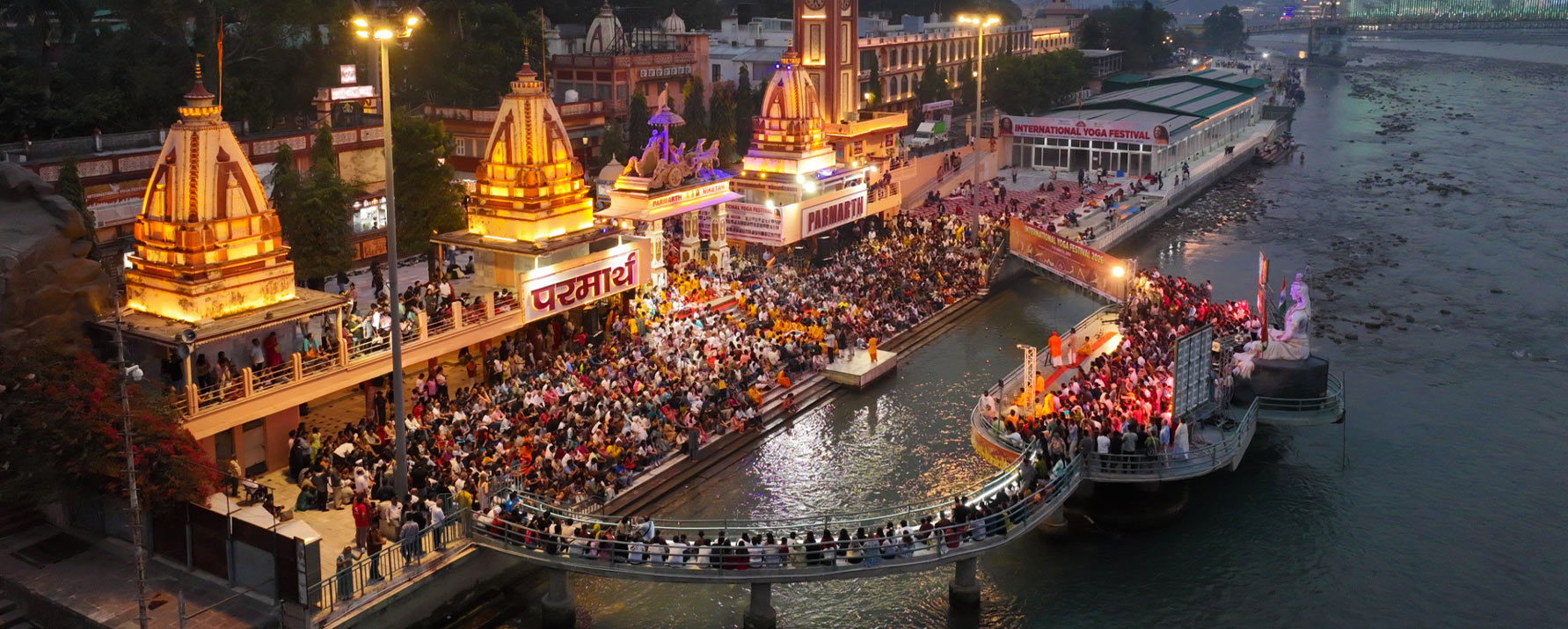
Parmarth Niketan
Large ashram on the Ganges with daily yoga, meditation and evening Ganga Aarti; runs short courses, retreats and teacher trainings.
ashram stays; 2-week foundation yoga courses; retreats
Visit the organiser’s siteLooking for a yoga retreat in Asia? Here are 6 real, still-running places — in India, Indonesia and Sri Lanka — that we've checked by hand, each linking straight to the organiser, with no booking fee from us.
Large ashram on the Ganges with daily yoga, meditation and evening Ganga Aarti; runs short courses, retreats and teacher trainings.
ashram stays; 2-week foundation yoga courses; retreats
Visit the organiser’s siteDedicated Ashtanga yoga retreat centre in North Goa, running one- and two-week courses with senior teachers for all levels.
1- and 2-week Ashtanga retreats; led and Mysore-style practice; all levels
Visit the organiser’s siteTraditional ashram with a fixed daily schedule of meditation, chanting, yoga classes and lectures; simple shared rooms, tents and dorms.
yoga vacation / Yoga Ayurveda Cultural Programme (minimum 3 nights); teacher training courses
Visit the organiser’s site
Ubud yoga school running short all-inclusive retreats with accommodation, two meals a day and classes, alongside teacher trainings.
4-day retreats; 7-day retreats; silent meditation retreats · From US$700 per person per 7-day retreat
Visit the organiser’s siteLarge yoga centre with a full daily timetable of drop-in classes, plus short self-guided retreat and detox packages.
drop-in classes; 1-, 3- and 7-day retreat packages; detox retreats
Visit the organiser’s site
Off-grid yoga and Ayurveda retreat in a working village, with visiting teachers, mud huts without electricity, and a limit of 20 guests.
1- or 2-week retreats (Sunday to Sunday); Ayurveda treatments · November–March and June–August · From US$2,100 per person per week (winter 2026/27)
Visit the organiser’s siteA yoga retreat usually centres on daily practice — often morning and evening asana, with breathwork (pranayama) and meditation — alongside healthy, frequently vegetarian food and free time to rest or explore. Styles range from gentle Hatha and restorative to dynamic Vinyasa and Ashtanga.
The cooler, drier months — often November to March across South and Southeast Asia — are the most popular; some mountain ashrams are hot in summer and cold in winter. You don't need to be flexible or experienced: most retreats welcome all levels and adapt the practice to the room. Teacher trainings are the main exception, since they assume a regular personal practice.
A yoga retreat usually centres on daily practice — often morning and evening asana, with breathwork (pranayama) and meditation — alongside healthy, frequently vegetarian food and free time to rest or explore. Styles range from gentle Hatha and restorative to dynamic Vinyasa and Ashtanga.
You don't need to be flexible or experienced: most retreats welcome all levels and adapt the practice to the room. Teacher trainings are the main exception, since they assume a regular personal practice.
The cooler, drier months — often November to March across South and Southeast Asia — are the most popular; some mountain ashrams are hot in summer and cold in winter.
It varies enormously — from budget, donation-based or ashram stays to five-star wellness resorts. Prices usually cover accommodation, food and the programme, but always confirm what's included directly with the organiser, since we don't take bookings or set prices.
We are not paid by these organisers and do not take bookings. Programmes, prices and dates change: confirm everything with the organiser before you book. Retreats are not medical care; if you have a health condition, talk to your doctor first.